
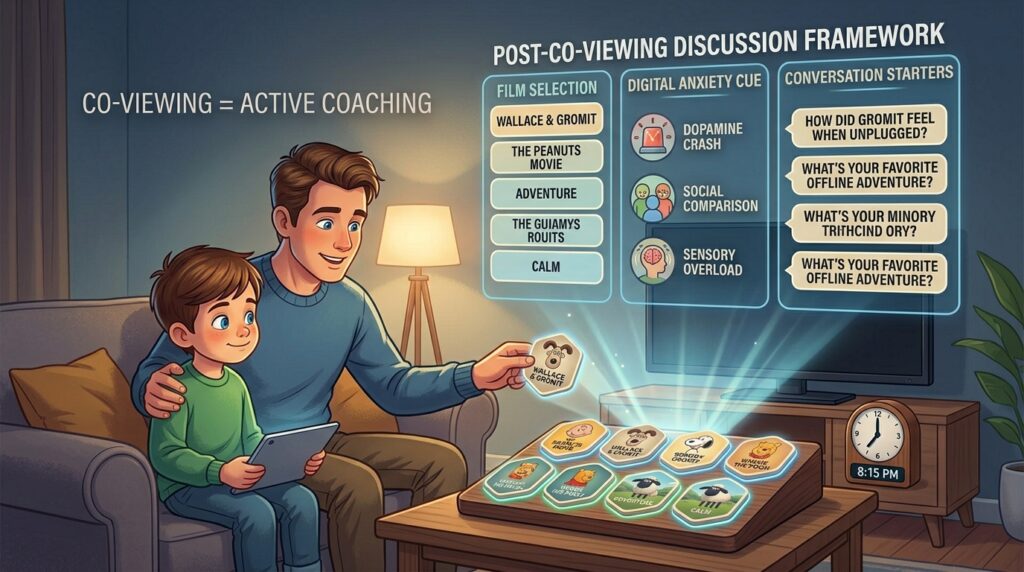
Navigating digital anxiety and screen overload in kids has become one of the most critical responsibilities for modern caregivers, demanding patience, intentional planning, and proactive media choices. In our hyper-connected modern households, screens are no longer just an occasional weekend treat; they are woven into the very fabric of daily learning, socializing, and relaxation. As parents, we often monitor how much time our children spend in front of a display, but we rarely address the emotional weight of what they absorb. When animated films and digital-age stories tackle online pressure, fear of missing out (FOMO), and digital anxiety, they provide a powerful, non-threatening mirror for children trying to navigate an increasingly virtual world.
Children today face social dynamics that previous generations never encountered in their formative years. Group chats, digital validation, and constant connectivity can spark subtle anxiety long before kids have the emotional maturity to name what they are feeling. When families intentionally co-view media addressing digital boundaries—much like exploring our curated guide on emotional depth in animated films—the screen transitions from a source of passive isolation into an invaluable tool for emotional coaching. Furthermore, pairing these media sessions with our proven weeknight movie scheduling strategies ensures that screen time never interferes with essential family routines or healthy bedtimes.
Table of Contents
- The Psychology of Digital Overload in Children
- Key Emotional Signs of Screen-Induced Anxiety
- Curated Animated Films That Address Digital Boundaries
- Practical Family Conversation Starters & Screen Rules
- The Role of Co-Viewing in Rebuilding Offline Connection
- Designing a Balanced Family Media Schedule
- Frequently Asked Questions (FAQs)
- Summary and Key Takeaways
1. The Psychology of Digital Overload in Children
Child development psychologists note that developing brains process virtual environments with the same intensity as real-world social stakes. When a character in an animated feature struggles with an overwhelming digital labyrinth or experiences social rejection through a screen, young viewers internalize those lessons. Navigating digital anxiety and screen overload in kids requires understanding how dopamine loops operate within fast-paced digital cartoons and interactive gaming applications.
Unlike traditional playground conflicts, digital stress is continuous and invisible. By watching animated protagonists reclaim their offline hobbies, establish offline friendships, or unplug to reset their emotional state, children absorb a vital lesson: technology should serve our well-being, not dictate our self-worth. Furthermore, navigating digital anxiety and screen overload in kids helps parents bridge the gap between abstract internet safety rules and concrete emotional empathy. When children see their favorite animated heroes experience sensory overload from constant notifications, they recognize similar feelings within themselves.
2. Key Emotional Signs of Screen-Induced Anxiety
Before looking at solutions, parents must recognize how digital stress manifests in children. Unlike adults, who can articulate burnout, children often display behavioral shifts that mimic classic anxiety disorders:
| Behavioral Indicator | Underlying Digital Stress | Expert Co-Viewing Strategy |
| Sudden Irritability Upon Disconnection | Dopamine crash from fast-paced gaming or endless video feeds | Introduce physical transition rituals 15 minutes before screen shutdown |
| Social Comparison & Withdrawal | Feeling inadequate compared to curated digital peers | Discuss how animated characters find happiness in real-world, imperfect moments |
| Sleep Disruption & Night Terrors | Blue-light overstimulation combined with high-stakes virtual plots | Enforce a strict “no screens 60 minutes before bed” rule paired with analog reading |
Recognizing these behavioral patterns early is essential for successfully navigating digital anxiety and screen overload in kids before it escalates into chronic school-night burnout. When parents connect a child’s sudden evening meltdowns to digital overstimulation, they can shift from punitive reactions to empathetic coaching.
3. Curated Animated Films That Address Digital Boundaries
Here are standout animated features that help families discuss digital balance, healthy boundaries, and real-world connection:
1. The Mitchells vs. the Machines
- Core Focus: Over-reliance on smartphones, family disconnection, and finding wonder in the physical world.
- Why It Works: This energetic sci-fi comedy brilliantly satirizes modern device addiction while centering on a family forced to disconnect from their screens to save humanity. It opens up effortless dialogue about putting phones down during family moments, making it a masterclass in navigating digital anxiety and screen overload in kids.
2. Ralph Breaks the Internet
- Core Focus: Online validation, the sting of negative digital comments, and nurturing secure offline friendships.
- Why It Works: Wreck-It Ralph’s venture into the vast expanse of the internet exposes the toxic trap of chasing online metrics and approval. It provides a concrete framework for discussing cyber-kindness, self-worth, and navigating digital anxiety and screen overload in kids through relatable animated metaphors.
3. WALL-E
- Core Focus: Passive consumption, physical inactivity caused by total automation, and rediscovering nature.
- Why It Works: Pixar’s masterclass in visual storytelling shows a future where humanity is completely placated by floating screens. It serves as an incredible conversation starter about balancing screen convenience with active, outdoor living and navigating digital anxiety and screen overload in kids.
4. Practical Family Conversation Starters & Screen Rules
To bridge the gap between movie night and daily life, use these warm, open-ended discussion prompts designed to support navigating digital anxiety and screen overload in kids:
- “In The Mitchells vs. the Machines, Katie’s dad struggled to understand her digital world. What is something you love sharing online or watching that you wish I understood better?”
- “Ralph had a hard time when people left negative comments online. How do you feel when people say unkind things, whether in person or on a device?”
- “If our family had a ‘unplugged adventure’ day like the characters in the movie, what outdoor activity should we try first?”
Implementing these questions after a co-viewing session ensures that navigating digital anxiety and screen overload in kids feels like a collaborative team effort rather than a strict parental lecture.
5. The Role of Co-Viewing in Rebuilding Offline Connection
Co-viewing media is not merely sitting in the same room; it is an active, shared emotional experience. When parents sit beside their children during animated films that tackle virtual stress, they provide a psychological anchor. Navigating digital anxiety and screen overload in kids becomes significantly easier when children realize their parents are willing to explore these complex digital themes alongside them.
By pausing the film during pivotal moments—such as when a character feels overwhelmed by digital messaging—parents can ask gentle, non-judgmental questions. This practice builds emotional literacy and ensures that navigating digital anxiety and screen overload in kids is grounded in open communication and mutual trust.
6. Designing a Balanced Family Media Schedule
Creating a sustainable household routine requires clear boundaries regarding screen exposure. To support navigating digital anxiety and screen overload in kids, consider implementing these structured family guidelines:
- Designated Tech-Free Zones: Keep dining rooms and bedrooms entirely free of smartphones, tablets, and portable screens to protect sleep hygiene and family conversation.
- The 20-20-20 Rule for Animation: For every 20 minutes of screen time, encourage children to look at something 20 feet away for 20 seconds to reduce eye strain and cognitive fatigue.
- Analog Transition Periods: Turn off all major screens at least one hour before bedtime, replacing digital stimulation with board games, drawing, or storytelling.
Adopting these habits transforms navigating digital anxiety and screen overload in kids from a daily battle into a smooth, predictable family rhythm.
7. Frequently Asked Questions (FAQs)
How can animated films help children manage digital anxiety?
Understanding how media addresses screen stress comes down to navigating digital anxiety and screen overload in kids through narrative safety. Watching characters struggle with online pressure allows children to process their own virtual fatigue without feeling personally interrogated.
At what age should parents introduce movies about digital boundaries?
Children aged 6 to 12 benefit immensely from films like The Mitchells vs. the Machines. Selecting stories focused on navigating digital anxiety and screen overload in kids helps establish healthy tech habits before pre-teen device ownership begins.
How do I prevent my child from melting down when screen time ends?
Pair movie nights with clear pre-set boundaries. Emphasize that choosing stories about navigating digital anxiety and screen overload in kids is part of building a balanced, healthy home routine where offline play matters just as much.
8. Summary and Key Takeaways
Mastering navigating digital anxiety and screen overload in kids is one of the most proactive steps modern parents can take. By leveraging thoughtful animated films, engaging in active co-viewing, and utilizing gentle conversation starters, you empower your child to enjoy technology safely while keeping their anchor rooted in the real world. Effective navigating digital anxiety and screen overload in kids ensures that screens remain tools for inspiration rather than sources of emotional exhaustion.